Unlocking Authentic Character with Vintage Ephemera Junk Paper
In the world of digital design, texture is often the missing ingredient that separates a good project from a great one. While clean lines and perfect gradients have their place, there's a growing demand for work that feels human, layered, and full of history. This is precisely the space occupied by Vintage Ephemera Junk Paper. It's not just a digital scrapbook background; it's a foundational design asset that injects immediate narrative depth and tactile authenticity into any creation.
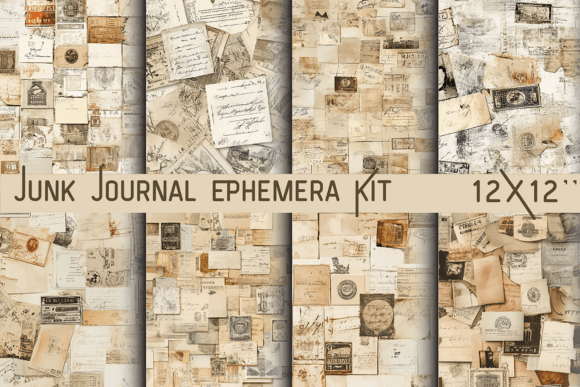
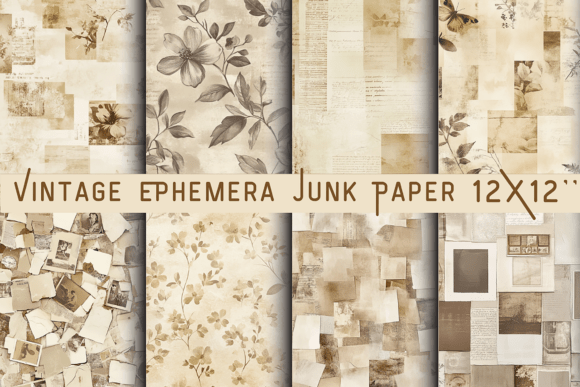
Think of it as the visual equivalent of a well-worn leather journal or a box of letters discovered in an attic. This collection offers 12 high-resolution, 12x12 inch pages, each a carefully composed collage of aged paper layers, old letter fragments, faded postmarks, vintage tickets, and antique stamps. The color palette is intentionally muted—sepia browns, faded beiges, antique creams, dusty greys, and muted olives—to ensure versatility and a timeless feel. These are opaque, non-transparent backgrounds, meaning they provide a solid, textured base layer ready for you to build upon. At 300 DPI and delivered as PNGs, they are engineered for crisp, professional results in both print and digital contexts.
The Personality and Practical Appeal of Aged Textures
The core strength of this Vintage Ephemera Junk Paper collection lies in its ability to communicate a specific mood without a single word. The visual personality is one of nostalgia, craftsmanship, and curated imperfection. The overlapping elements create a sense of discovered artifacts, suggesting a story has already begun before you add your own content. This is invaluable for projects aiming to evoke emotion, trust, or a connection to the past.
As a creative font for backgrounds, its applications are remarkably broad. For editorial design and publishing, these textures transform flat magazine pages or book covers into immersive experiences. A memoir, a historical fiction novel, or a cookbook with heirloom recipes gains instant credibility and atmosphere. In brand identity and logo design, particularly for brands in artisanal crafts, boutique hospitality, heritage goods, or independent coffee shops, these backgrounds can become a key part of the visual language, communicating tradition and quality.
For packaging design, imagine a tea company or a specialty soap maker using these layers on their boxes or labels. It immediately sets them apart from sterile, modern competitors. In the digital realm, they are powerful for social media graphics, website hero sections, or blog headers, especially for content creators in the lifestyle, travel, or DIY niches. They provide a rich canvas that makes overlaid text and images pop with clarity and purpose.
Integrating Vintage Textures into Modern Workflows
Using a premium font or asset like this effectively requires a thoughtful approach. It’s not about slapping a busy background behind every element. The key is in creating visual hierarchy. Use these richly textured pages as a base for key sections—a chapter title page, a product feature spotlight, an event invitation. Pair them with clean, modern sans serif fonts for body text to ensure readability. The contrast between the ornate background and the crisp typeface creates a dynamic and professional tension.
Consider the principle of font pairing extended to textures. A bold, geometric display font for headlines can stand confidently against the organic chaos of the ephemera. A delicate script font might get lost, but a strong serif font can hold its own, echoing the classic feel of the background while remaining legible. Always test your combinations at the final intended size and resolution.
From a practical standpoint, evaluating these assets for your project involves assessing their commercial font and asset licensing—typically, these digital packs allow for broad commercial use, which is essential for entrepreneurs and small business owners. The file sizes (8–18 MB per page) are manageable for modern design software like Adobe Photoshop, Illustrator, or Affinity Suite. You can layer them, adjust their opacity, blend them with solid colors using multiply or overlay modes, or use portions of them as clipping masks for photos and text.
Building Cohesive and Engaging Projects
The ultimate goal of any design asset is to enhance brand perception and audience engagement. Vintage Ephemera Junk Paper excels here because it fosters a sense of intimacy and authenticity. In an era of digital slickness, this tactile quality feels personal and trustworthy. It can make a web design feel more inviting, a marketing brochure more memorable, and a personal scrapbook profoundly more meaningful.
For content creators and bloggers, these backgrounds are a secret weapon for creating cohesive visual series. Using the same underlying texture across a set of Instagram posts, a YouTube video thumbnail template, and a Pinterest pin creates instant brand recognition. The consistency isn't in rigid uniformity, but in the shared, recognizable character of the aged paper and ephemera.
When selecting which of the 12 designs to use, consider the dominant color and density of the collage. A page heavy with sepia text fragments might be perfect for a literary project but too busy for a product photo backdrop. A more open design with faded beige and subtle postmarks might offer more breathing room. The beauty is in having a curated collection that offers variety within a cohesive aesthetic, allowing you to match the texture's intensity to your project's specific needs. This is modern typography in action—using historical, textured assets with contemporary design principles to create work that resonates deeply and looks impeccably professional.