Unleash Authentic Vintage Charm with a Junk Journal Ephemera Kit
There's a particular magic to a well-worn piece of paper—a faded postcard, a ticket stub from a long-forgotten event, a handwritten note tucked inside an old book. These fragments of the past carry a tangible sense of history and nostalgia. For designers, crafters, and brand builders, capturing that authentic vintage aesthetic can be a challenge. Creating it from scratch is time-consuming, and sourcing genuine antique paper goods is often impractical. This is where a thoughtfully curated Junk Journal Ephemera Kit becomes an invaluable design asset, offering a bridge between historical charm and modern creative projects.
More Than Just Paper: The Anatomy of a Quality Ephemera Pack
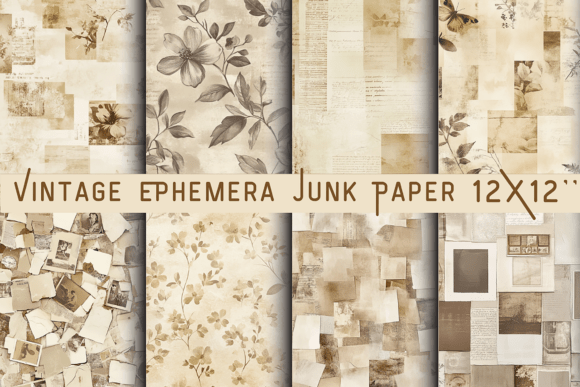
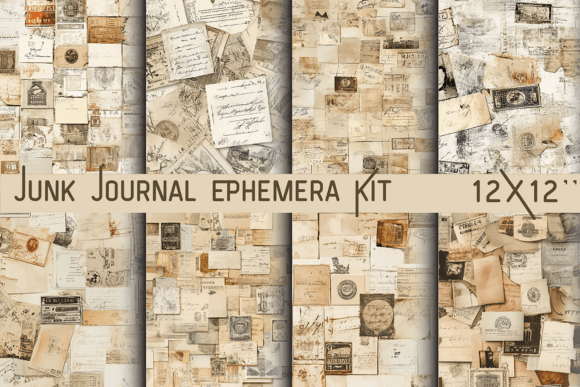
A premium junk journal ephemera kit is far more than a random assortment of old-looking images. It's a cohesive collection of digital elements engineered for creative use. The kit described here, for instance, delivers 12 high-resolution designs at 12" x 12" (3600 x 3600 pixels) and a crisp 300 DPI. This isn't just about size; it's about versatility and print quality. The dimensions allow you to use the full page as a background, or to isolate and extract individual elements—like vintage labels, antique paper clippings, or handwritten notes—to use as overlays and focal points.
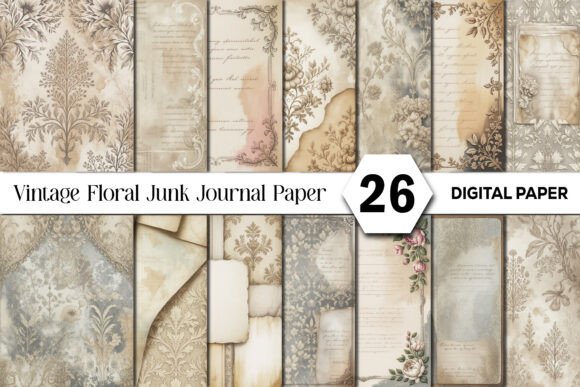
The color palette is carefully considered: sepia brown, faded beige, antique white, muted grey, and soft cream. These aren't garid, oversaturated tones but subtle, nuanced hues that mimic the natural aging process of paper. The opaque, non-transparent backgrounds are a crucial practical detail, ensuring that when you layer these elements in your design software, they sit on your canvas with the physical presence of real paper. The personality of such a kit is one of quiet sophistication, authenticity, and artistic texture. It doesn't shout for attention; it invites the viewer in with a sense of story and craftsmanship.
Strategic Applications: Where Vintage Ephemera Elevates Your Work
The true value of a Junk Journal Ephemera Kit lies in its application across a surprising range of projects. It's a tool for adding depth, narrative, and emotional resonance.
- Brand Identity & Marketing: For a boutique hotel, a heritage food brand, an artisanal coffee shop, or a vintage clothing line, these elements can be integrated into logo design extensions, packaging design, menu layouts, and social media graphics. A faded ticket used as a background for a promotional post, or a handwritten note as a testimonial graphic, instantly communicates a brand story of authenticity and history. It influences brand perception, positioning the business as thoughtful, established, and detail-oriented.
- Digital & Print Publishing: In editorial design, these ephemera pieces serve as perfect accents for magazine layouts, book covers (especially for historical fiction or memoirs), and blog headers. They can break up text-heavy pages, create visual hierarchy, and guide the reader's eye. For web design, they can be used to create unique background textures, sidebar elements, or interactive page peels, enhancing user engagement without compromising on readability when used judiciously.
- Personal & Commercial Crafting: This is the core realm. The kit is ideal for creating junk journal pages, scrapbook layouts, handmade greeting cards, planner inserts, and mixed-media collages. The high-resolution files ensure that whether you're printing on standard paper or specialty cardstock, the details remain crisp and professional. For entrepreneurs selling handmade goods on platforms like Etsy, these elements can be used to create product mockups, digital download templates, or unique branding materials that stand out.
Practical Guidance: Integrating Ephemera with Intention
Simply dropping these beautiful elements onto a canvas isn't enough. Effective use requires a designer's eye for composition and context. Here’s how to approach it:
- Evaluate Project Fit: Ask if the vintage aesthetic aligns with your project's core message. It's perfect for projects aiming for warmth, nostalgia, craftsmanship, or history. It might clash with ultra-modern, minimalist tech branding unless used as a very subtle textural accent.
- Master Font Pairing: The style of your ephemera dictates your typography choices. Pair these organic, textured elements with fonts that complement rather than compete. A serif font with classic proportions or a handwritten font with natural flow works beautifully. Avoid overly geometric sans serif or flashy script fonts unless you're creating intentional contrast for a specific effect. The goal is visual harmony.
- Layer with Purpose: Use the opaque backgrounds to your advantage. Place a full-page element as a base, then layer smaller items like tags or postcards on top, using drop shadows or slight rotation to mimic a physical collage. This creates a tangible visual hierarchy and depth that flat digital designs often lack.
- Check Licensing for Commercial Use: This is non-negotiable. Ensure the kit's license permits commercial use if you're creating products for sale, such as printed journals, digital templates, or branded materials. Reputable kits will have clear licensing terms, allowing you to use the assets confidently in your professional workflow.
In a digital landscape saturated with clean lines and sterile interfaces, the textured, human quality of a Junk Journal Ephemera Kit offers a powerful counterpoint. It’s not about making everything look old; it’s about using the visual language of the past to add authenticity, warmth, and a compelling narrative layer to contemporary design. By choosing a high-quality kit and applying it with intention, you equip yourself with a versatile library of design assets that can transform a simple project into a resonant piece of visual storytelling.