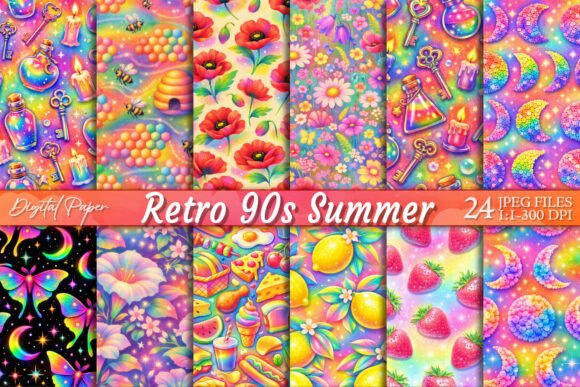
Brighten Projects with Retro 90s Spring Y2K Digital Paper
Understanding the Y2K Visual Language
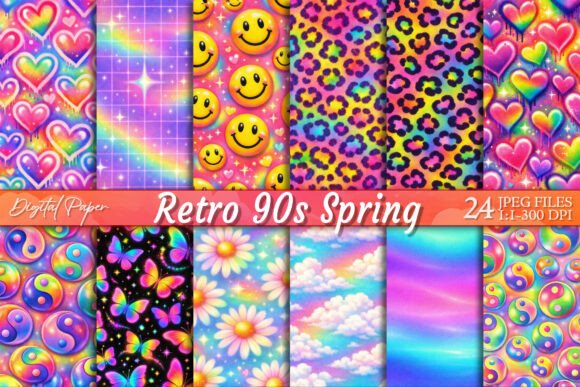
The aesthetic of the late 1990s and early 2000s has made a massive comeback, influencing everything from web design to packaging. When we talk about Retro 90s Spring Y2K Digital Paper, we are referring to a specific set of design assets that capture this nostalgic, tech-optimistic vibe. This style is defined by its unapologetic boldness. You will typically find a chaotic yet harmonious mix of rainbow hearts, smiley faces, butterflies, and daisies set against backgrounds that feature leopard prints or swirling neon gradients.
Unlike the minimalist trends that dominated the last decade, this Y2K style thrives on "more is more." It evokes a sense of playful maximalism. For designers and content creators, understanding the personality of this digital paper is the first step. It is energetic, youthful, and inherently optimistic. It does not take itself too seriously, which makes it a powerful tool for brands aiming to connect with audiences who value authenticity and fun over corporate stiffness. The visual noise of these patterns serves as a texture that can ground a design in a specific era while remaining fresh for modern applications.
Strategic Applications for Modern Creatives
While the aesthetic is rooted in the past, the application of Retro 90s Spring Y2K Digital Paper is entirely modern. These backgrounds are not just for scrapbooking anymore, though they excel in that medium. For digital planners and productivity apps, using these vibrant backgrounds as cover art or section dividers adds a layer of personalization that standard white layouts lack. In the realm of social media graphics, these patterns act as immediate attention-grabbers. A bold neon daisy pattern behind a text overlay ensures your post stands out in a crowded feed.
For entrepreneurs and small business owners, particularly those in the stationery, fashion, or lifestyle sectors, these assets offer a cost-effective way to refresh brand identity. Consider using these patterns for:
- Packaging Design: Wrapping paper, tissue paper, or box liners that create an unboxing experience.
- Editorial Design: Pull quotes, sidebar backgrounds, or magazine covers targeting a Gen Z or Millennial demographic.
- Event Invitations: Birthday parties, baby showers, or launch events where a playful tone is required.
- Printable Stickers: Creating die-cut sticker sheets for planners or laptops.
The versatility of the 4096×4096 pixel size ensures that these images remain crisp even when printed on physical goods, making them a reliable component of your commercial design assets library.
Integrating Patterns with Typography
One of the challenges of working with busy, patterned backgrounds like Retro 90s Spring Y2K Digital Paper is ensuring readability. This is where your choice of typeface becomes critical. Because the background features complex elements like clouds and leopard prints, you generally want to avoid using a decorative or handwritten font for body text. Instead, rely on a clean sans serif font for paragraphs to maintain legibility.
However, for headers and logo design elements, you can lean into the theme. A bold display font or a chunky serif font can hold its own against the visual noise of the pattern. When creating a font pairing strategy for these projects, contrast is your best friend. If the background is high-energy and neon, a structured, geometric sans serif can provide a necessary visual rest stop for the viewer's eyes. Conversely, if you are using a softer pastel version of the Y2K pattern, a flowing script font might work for accent text, provided it is used sparingly.
Practical Workflow and File Management
Receiving a pack of 24 JPG files at 300 DPI is a significant asset for any creative professional, but organization is key to efficiency. When you download your Retro 90s Spring Y2K Digital Paper set, take a moment to categorize the files by complexity. Some patterns, like a simple smiley face grid, are "loud" and work best as full backgrounds. Others, like a subtle cloud texture, might function better as an overlay or a secondary element in a collage.
Before finalizing a design, always test the contrast ratio of your text against the chosen background. This is a crucial step in professional graphic design. If the pattern is too vibrant, place a semi-transparent shape—such as a white box or a soft shadow—behind your text. This technique, often used in web design and social media graphics, preserves the aesthetic of the digital paper while ensuring your message is communicated clearly. Remember, the goal of using these colorful backgrounds is to enhance the content, not to overshadow it.
Elevating Brand Perception through Nostalgia
Using Retro 90s Spring Y2K Digital Paper is more than just an aesthetic choice; it is a branding strategy. This style signals to your audience that your brand is approachable, creative, and culturally aware. For content creators and bloggers, incorporating these elements into your visual identity can increase engagement because the designs trigger a sense of familiarity and joy.
When applying these patterns to commercial projects, consistency is vital. Select two or three specific patterns from the pack to serve as your primary brand textures. Use them consistently across your email headers, website banners, and physical stationery. This repetition builds brand recognition. Whether you are designing a planner cover or a marketing flyer, the cohesive use of these retro elements helps create a memorable brand identity that feels both professional and delightfully nostalgic. By balancing these vibrant backgrounds with thoughtful typography and layout, you create a visual experience that resonates deeply with a wide audience.