Steampunk Gear Paper: Industrial Vintage Backgrounds
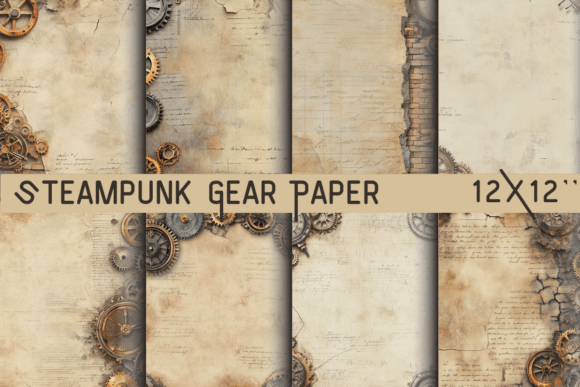
When you need to inject a project with a sense of history, machinery, and tactile depth, standard digital textures often fall flat. You aren't just looking for a pattern; you are looking for a story. That is exactly where the Steampunk Gear Paper collection steps in. This isn't merely a set of digital files; it is a toolkit for building worlds. With 12 high-resolution designs featuring intricate clock gears, mechanical cogs, brass machinery, and vintage metal textures, this digital pack offers a sophisticated way to ground your work in an industrial-vintage aesthetic. Whether you are a graphic designer, a scrapbooker, or a small business owner looking to define a unique brand identity, understanding how to leverage these backgrounds is key to creating memorable visuals.
The Anatomy of Industrial Aesthetics
Before diving into application, it helps to understand the visual personality of this asset pack. The Steampunk Gear Paper collection is defined by its color palette and textural complexity. The files utilize a rich spectrum of Brass Gold, Copper Brown, Antique Bronze, Charcoal Black, and Rusty Metal Tones. These colors do more than just look "old"; they communicate weight and substance. In design terms, this creates a low-key, high-contrast environment that naturally draws the eye to focal points.
Unlike flat vector graphics, these backgrounds are delivered as high-resolution JPGs at 300 DPI (3600 x 3600 px). This resolution is critical. At 300 DPI, the texture of the "metal" remains crisp even when printed at full size. You can see the grain in the rust and the precise interlocking of the cogs. This level of detail is what separates amateur craft projects from professional-grade packaging design or editorial design. The opaque nature of the backgrounds ensures that whatever you layer on top—be it typography, photography, or illustrations—sits firmly against a solid, grounding surface.
Strategic Applications for Designers and Creators
The versatility of the Steampunk Gear Paper pack extends far beyond simple scrapbooking. For professionals in brand identity and marketing, these textures serve as a powerful tool for storytelling. Here is how different audiences can integrate these assets effectively:
- Logo Design and Branding: If you are building a brand for a brewery, a repair shop, a podcast about history, or a fantasy game, these backgrounds provide an immediate visual shorthand. Using a cropped section of a gear-heavy background as a texture overlay on a logo can add grit and authenticity. It signals to your audience that the brand values craftsmanship and durability.
- Publishing and Editorial Design: For indie authors or zine creators, the interior covers of a book or the chapter headers of a PDF can set the mood instantly. A steampunk gear paper texture used as a header background can frame a chapter title beautifully, especially when paired with clean, sans-serif typography to ensure readability.
- Digital Content and Social Media: In the fast-scrolling world of social media graphics, stopping the thumb is everything. These backgrounds work exceptionally well for quote cards or podcast announcements. The mechanical complexity creates a visual "hook" that makes the content feel substantial before the user even reads the text.
- Physical Crafts and DIY: For the hobbyist, the applications are tactile. These files are sized at 12x12 inches, the standard for scrapbook paper. They are perfect for creating junk journal covers, ephemera sheets, or planner inserts. Because the files are opaque, they provide a sturdy visual base for layering stickers, washi tape, and vintage photos.
Typography and Pairing: Creating Hierarchy with Texture
One of the biggest challenges when working with highly detailed backgrounds like Steampunk Gear Paper is maintaining readability. A busy background can easily swallow delicate text. As a general rule of design, high-contrast pairing is your friend here.
Avoid using script fonts or handwritten fonts directly over the densest parts of the gear patterns. The intricate details of the cogs will clash with the loops and swirls of the script, creating visual noise. Instead, consider using bold sans serif fonts in solid colors (like antique white or charcoal) for your main headlines. The geometric simplicity of a sans serif typeface creates a pleasing tension against the organic, mechanical curves of the background.
If you prefer a serif font for a more classic look, ensure it is a premium font with high x-height and thick stroke weights. Thin serifs can get lost in the texture. A practical technique is to place a semi-transparent shape (a banner or a box) behind your text. This creates a "safe zone" that separates your message from the industrial background, ensuring your visual hierarchy remains intact. This approach allows the steampunk gear paper to provide atmosphere without overwhelming the information.
Evaluating Fit and Commercial Use
When integrating any new design asset into your workflow, it is wise to evaluate the fit before committing. Download the preview files and test them against your existing brand colors. Does the brass gold clash with your brand's primary yellow? Does the charcoal black muddy your dark mode web design? Usually, the neutral metallics of this collection act as a bridge between colors, but testing is always the best practice.
For those using these designs for commercial font projects or client work, pay close attention to the licensing details provided with the pack. Most digital packs allow for use in physical end products (like printed journals) and digital end products (like social media images), but restrict the resale of the raw files. Always verify that your specific usage—whether it is for a mass-produced planner or a single-use web banner—falls within the permitted terms.
Ultimately, the Steampunk Gear Paper collection is about adding a layer of narrative complexity to your work. It transforms a flat page into a piece of machinery. By respecting the texture, choosing your typography wisely, and applying the designs to the right context, you can leverage these backgrounds to create work that feels timeless, tactile, and undeniably professional.