Charming Garden Aesthetics: The Vintage Ladybug Journal
In a digital landscape often dominated by stark minimalism and geometric precision, there is a distinct resurgence of appreciation for tactile, organic, and nostalgic design elements. Enter the Vintage Ladybug Floral Junk Journal, a collection that transcends standard graphic assets to offer a complete narrative toolkit. This isn't merely a set of backgrounds; it is a curated experience of "cottagecore" charm, blending the whimsy of nature with the authenticity of handwritten history. For designers, brand strategists, and content creators, this collection offers a unique opportunity to inject warmth, personality, and a handcrafted feel into digital and print projects alike.
Defining the Visual Language
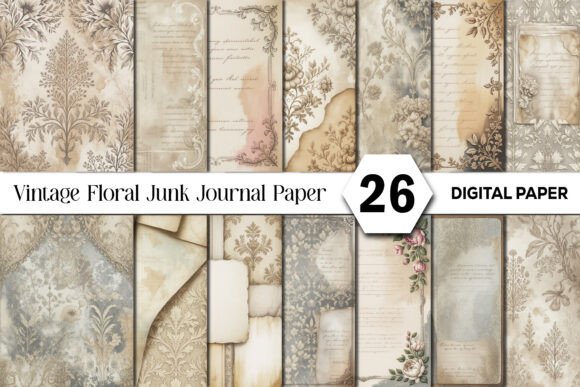
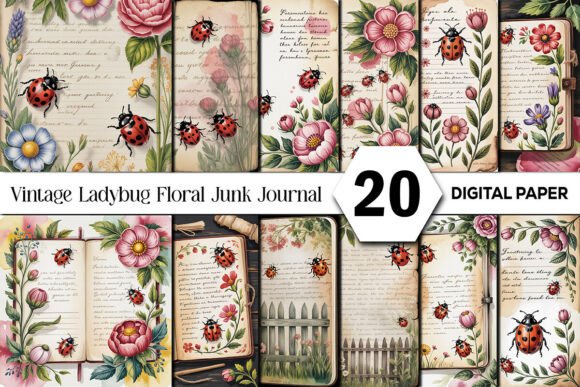
To understand the strategic value of this collection, we must first deconstruct its aesthetic composition. The Vintage Ladybug Floral Junk Journal is built on a foundation of soft garden aesthetics. The visual language speaks to a specific, enduring sensibility: the intersection of botanical illustration and personal diary. Unlike modern, flat design assets, these backgrounds are layered with texture. You will find the delicate veining of leaves, the soft imperfection of aged paper, and the vibrant yet muted tones of blooming florals. The presence of ladybugs adds a focal point of whimsy—a symbol of luck and nature that draws the eye without overwhelming the composition.
The "junk journal" style implies a certain deliberate imperfection. It mimics the look of a treasured book filled with ephemera, handwritten notes, and collected memories. For the modern designer, this is a powerful tool. It allows you to bypass the "uncanny valley" of digital perfection. When a brand uses assets that look hand-arranged, it signals authenticity. The visual personality here is romantic, gentle, and approachable. It avoids the coldness of corporate stock imagery, offering a softer landing spot for the viewer's eye.
Strategic Applications for Branding and Marketing
While the immediate application seems to be scrapbooking, the utility of a high-quality, commercial font and asset collection extends far into professional realms. In the sphere of brand identity, consistency is king. However, consistency does not mean rigidity. A brand rooted in wellness, organic products, artisanal goods, or boutique retail can utilize these digital papers to create a cohesive ecosystem.
Consider the impact on packaging design. A tea company, a local florist, or a handmade soap brand could use these backgrounds as the substrate for their labels. The floral and ladybug motifs instantly communicate "natural" and "small-batch" to the consumer. In editorial design, these assets serve as excellent chapter dividers or page borders for lookbooks and catalogs, adding a tactile feel to a digital PDF.
For social media graphics, the value is immense. Algorithms favor engagement, and visual distinctiveness drives interaction. A marketing manager or content creator can use these 12x12 backgrounds as the canvas for Instagram quotes, sale announcements, or story highlights. The vintage aesthetic stands out against the typical high-contrast, neon-saturated content of a standard feed. It acts as a visual pause, inviting the audience to linger. Furthermore, these assets are perfect for web design elements, such as hero image overlays, newsletter backgrounds, or texture layers that add depth to a landing page.
The Technical Edge: Quality and Usability
From a production standpoint, the specifications of the Vintage Ladybug Floral Junk Journal collection are tailored for professional output. At 300 DPI and a generous size of 3600x3600 pixels, these are not low-resolution web graphics that will pixelate upon printing. This high resolution ensures that the design assets are versatile. They can be printed as large-scale posters or scaled down for intricate planner stickers without losing fidelity.
The JPG format ensures universal compatibility, allowing for seamless integration into Adobe Illustrator, Photoshop, InDesign, Canva, and Procreate workflows. For the entrepreneur or crafter, the instant download capability means there is no barrier to production. You can download the assets and have a mockup ready for a client presentation or an Etsy listing within minutes.
Typography and Pairing Strategies
Assets of this nature demand a thoughtful approach to typography. The background itself is a display font of sorts—visually rich and full of character. Therefore, overlaying text requires a balance of hierarchy and legibility.
A common mistake is pairing a busy vintage background with an overly ornate script font. While both are beautiful, they compete for attention, resulting in visual noise. Instead, leverage the principles of modern typography to create contrast. If you are designing a card or a social post using these floral papers, opt for a clean, legible sans serif font for your body text. The geometric simplicity of a sans serif provides a resting place for the eyes against the organic complexity of the florals.
Conversely, if you are aiming for a cohesive "heritage" look, you might select a serif font with moderate contrast. Serifs often mimic the look of traditional book printing, which complements the "journal" aspect of the collection. For headers, a tasteful handwritten font can work, provided it has clear legibility. The goal is to create a font pairing that feels intentional. You want the text to feel like it was written onto the paper, not just pasted over it. This attention to detail elevates a project from "hobbyist" to "professional."
Commercial Use and Licensing
One of the most critical aspects for business owners and freelancers is the licensing. The designation of being commercial use friendly is a significant value proposition. It means you are not limited to personal journals or private gifts. You can legally incorporate these backgrounds into products you sell.
Whether you are selling printable planners on Etsy, creating physical wedding invitations for a client, or designing a digital course workbook, the commercial license provides the security needed to build a business model around these assets. It transforms the collection from a mere expense into an investment with a tangible ROI. However, always ensure you review the specific terms provided to understand if attribution is required or if there are restrictions on resale of the raw files themselves (which is standard practice to protect the creator's work).
Evaluating Fit for Your Project
Before integrating the Vintage Ladybug Floral Junk Journal into your workflow, conduct a quick "mood board" test. Does the color palette of the collection align with your client's brand colors? The soft garden aesthetics typically feature pastels, creams, and muted greens. If your brand identity relies on neon pinks and electric blues, this might not be the right fit.
However, if your brand values warmth, nostalgia, nature, or elegance, this collection is a robust addition to your library of design assets. It serves a specific niche—one that is currently trending in both the digital planning community and the boutique marketing world. By understanding the visual characteristics and technical specifications, you can deploy these backgrounds effectively, ensuring your projects are not only beautiful but also strategically sound and commercially viable.