Carbon Fiber Texture: From Paper to Pixels
There is something profoundly tactile about a well-crafted background. It grounds a design, provides context, and sets a mood before a single word is read. We often think of textures in terms of their physical counterparts—the grain of wood, the weave of linen, the smooth coolness of glass. But in the digital realm, these textures are carefully constructed assets that give our projects depth and authenticity. Today, we are looking at a unique duality: the Carbon Fiber Texture and its surprising relationship with the humble, versatile Paper Texture Background. This combination offers a powerful toolkit for creating everything from sleek, modern branding to warm, inviting stationery.
The Sleek Personality of Carbon Fiber
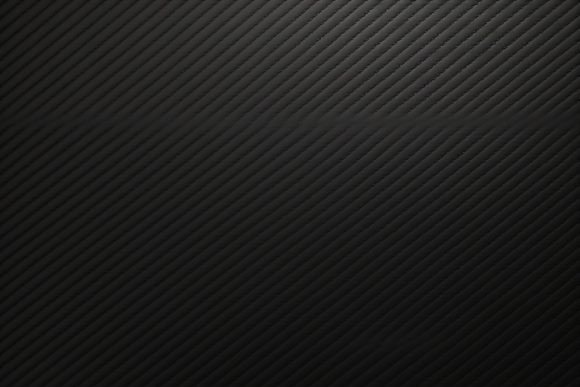
At its core, a Carbon Fiber Texture is a digital recreation of the advanced composite material known for its strength-to-weight ratio in aerospace and automotive design. Visually, it presents a distinct, repeating weave pattern. Think of a very fine, tight grid of intersecting threads, often with a subtle sheen that suggests a resin coating. The effect is one of precision, high performance, and cutting-edge technology. It’s a texture that speaks in a language of engineering and innovation.
This isn't a background that whispers; it communicates with intent. Its personality is decidedly modern, technical, and somewhat luxurious. It avoids the rustic charm of a paper grain or the organic randomness of a stone surface. Instead, it offers order, structure, and a controlled sophistication. When you use a high-resolution Carbon Fiber Texture, you’re not just filling space—you’re making a statement about the product, service, or idea it represents. It’s a texture that implies durability, advanced capability, and a forward-thinking mindset.
Bridging the Material World: Paper Texture Backgrounds
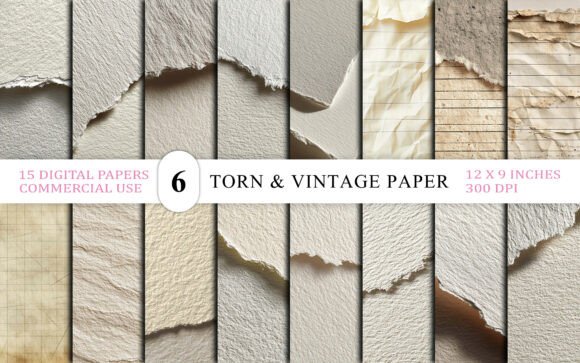
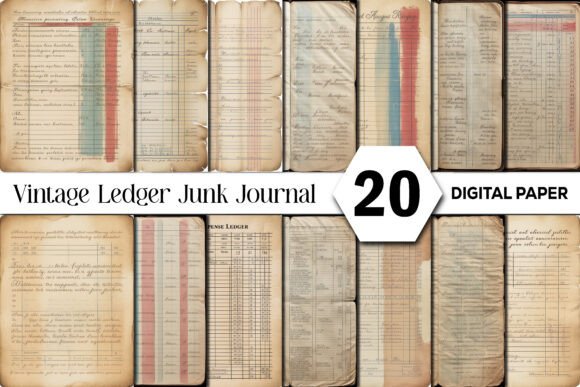
Now, consider the other side of this creative coin: the Paper Texture Background. Paper is arguably the most foundational surface in design history. A high-quality paper texture brings warmth, authenticity, and a human touch. It can evoke the feel of a vintage letter, a crisp business card, or the pages of a premium magazine. Its visual characteristics are less about geometric precision and more about organic subtleties—fiber flecks, slight color variations, and a soft, matte finish that absorbs light rather than reflecting it sharply.
The appeal of an Amazing Paper Texture Background lies in its versatility and emotional resonance. It’s approachable, familiar, and incredibly effective for projects that need to feel personal, trustworthy, or creatively inspired. This is the texture for scrapbooking, wedding invitations, artisanal product packaging, and blog graphics that aim to connect on a human level. It provides a canvas that feels real, even when it’s purely digital.
Strategic Applications for Your Creative Projects
Understanding the distinct personalities of these textures allows you to deploy them strategically. The Carbon Fiber Texture is a powerhouse for specific contexts. It’s an excellent choice for tech startup branding, automotive detailing websites, fitness supplement packaging, or social media graphics for a gaming channel. In these cases, the texture reinforces the core message—speed, strength, and innovation. It works beautifully as a background for product mockups of gadgets or high-performance gear, instantly elevating the perceived value.
Conversely, the Paper Texture Background excels where connection and craftsmanship are key. Use it for the background of a food blog to suggest recipe cards, for a small business’s thank-you notes to add a personal touch, or for the packaging of handmade goods. In digital presentations, a subtle paper texture can make slides feel less corporate and more engaging. For print materials like flyers or event programs, it ensures the design feels considered and tactile, even before it’s held.
Maximizing Impact with High-Quality Assets
The effectiveness of these textures hinges on their quality. A low-resolution, poorly scanned paper texture will look muddy and unprofessional. Similarly, a pixelated carbon fiber pattern will break the illusion of sleek sophistication. This is why investing in premium font and design assets is non-negotiable for serious creators. A file delivered as a JPG at 3000×2000 pixels and 300 DPI in RGB color mode is built for both high-end print and crisp digital display. The high resolution means you can scale it, crop it, and use it across a variety of applications without losing integrity.
Think of these textures as part of your broader design assets library. They are not isolated elements but components that work in concert with your chosen typefaces. A bold, geometric sans serif font pairs naturally with the clean lines of carbon fiber, creating a cohesive, modern look. A elegant serif font or a flowing script font can find a beautiful contrast against the structured carbon weave, adding a layer of sophistication. Against a paper texture, a handwritten font feels at home, while a crisp modern typography style can create a striking juxtaposition between the digital and the analog.
Practical Guidance for Integration
When choosing between a Carbon Fiber Texture and a Paper Texture Background, start by asking about the project’s core personality. Is it about precision and performance, or warmth and authenticity? Your answer will guide your selection. Don’t be afraid to test both. Sometimes, the most innovative branding happens at the intersection of these styles—perhaps using carbon fiber as a subtle accent element alongside a primary paper background.
Evaluate the texture’s compatibility with your other design assets. Does it compete with your logo design or support it? A busy texture can overwhelm a detailed logo, while a too-subtle one might disappear. Always check the visual hierarchy. Your background should recede, allowing your foreground content—whether it’s text, a product image, or a call-to-action—to stand out. Test the texture at the scale you intend to use it. What looks good as a full-page background might need to be lightened or faded when used behind a text block to ensure readability.
Finally, consider the practicalities of file usage. The provided specifications (JPG, 3000×2000 px, 300 DPI, RGB) make this asset incredibly flexible. You can confidently use it for large-format print materials like posters and banners, as well as for digital projects such as website banners and social media graphics. The RGB color mode is optimized for screen display, ensuring vibrant colors on monitors and mobile devices, which is essential for digital creative projects and online brand identity.
Whether you’re crafting a brand identity for a new tech company, designing invitations for a gala, creating mockups for a client presentation, or developing product packaging that needs to stand out on a digital shelf, the right texture is your silent partner. The clean, structured appeal of Carbon Fiber Texture and the authentic, versatile charm of an Amazing Paper Texture Background are more than just visual fillers. They are strategic tools that shape perception, guide the viewer’s eye, and ultimately, tell a more compelling story about your project. Choose wisely, test thoroughly, and let the texture do its essential work.