Timeless Elegance for Modern Design: Antique Map Cartography Paper
There's a particular kind of warmth that sepia-toned maps evoke—a sense of discovery, of journeys taken and stories waiting to be told. The Antique Map Cartography Paper collection captures that exact feeling, translating the beauty of aged cartography into versatile digital design assets. This isn't just a set of backgrounds; it's a gateway to creating projects with genuine historical character and visual depth.
Understanding the Aesthetic and Its Strengths
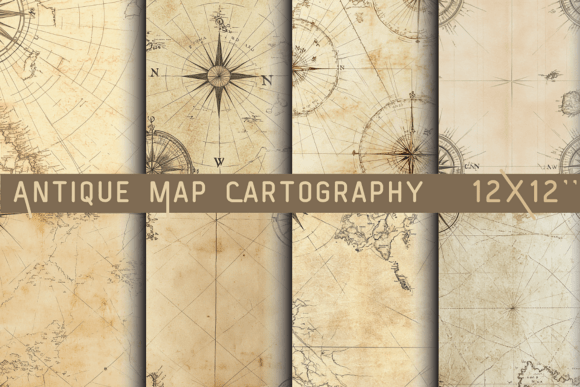
Each of the twelve designs in this digital pack showcases the intricate details you'd expect from authentic vintage navigation charts. You'll find carefully rendered compass roses, precise latitude and longitude grids, and the subtle imperfections of weathered paper textures. The color palette stays true to its inspiration: sepia brown, aged beige, antique cream, faded gold, and muted blue. These aren't just colors; they're a cohesive visual language that communicates tradition, exploration, and timeless quality.
What makes this collection particularly useful is its format. Delivered as 12" x 12" PNG files at 300 DPI, the designs maintain crisp, professional print quality whether you're working on a small journal insert or a large poster. The opaque backgrounds ensure clean layering without transparency issues, and the substantial file sizes (8–18 MB per page) indicate the high level of detail preserved in each design. For anyone working in print design or high-resolution digital projects, these technical specifications matter.
Where These Backgrounds Truly Shine
The applications for Antique Map Cartography Paper extend far beyond obvious scrapbooking uses. Consider how these designs could elevate a travel brand's identity—imagine business cards with a subtle cartographic texture behind clean typography, or social media graphics that blend modern messaging with historical gravitas. For entrepreneurs in the tourism, education, or publishing sectors, these backgrounds offer an instant connection to themes of discovery and knowledge.
In editorial design, these textures work beautifully as chapter openers, pull-quote backgrounds, or section dividers in magazines and books. Publishers of historical fiction, travel memoirs, or geography-focused content will find them particularly valuable. The designs also lend themselves well to packaging design for products like artisanal goods, specialty teas, or vintage-inspired stationery sets. When paired with the right serif font or even a carefully chosen sans serif font, the cartographic elements create a sophisticated foundation that doesn't compete with your primary messaging.
Practical Guidance for Effective Implementation
When incorporating these backgrounds into your projects, consider the principles of visual hierarchy. The rich detail in the map designs means your foreground typography needs careful selection. A bold display font with clean lines often works well for headlines, allowing the cartographic texture to frame rather than overwhelm your text. For body copy, ensure sufficient contrast—test readability at actual size before finalizing your design.
Font pairing becomes especially important with such distinctive backgrounds. The Antique Map Cartography Paper designs have a strong personality, so they typically pair best with typefaces that complement rather than compete. Consider a classic serif font for an authentically vintage feel, or balance the historical aesthetic with a modern geometric sans serif font for contemporary projects. Avoid overly ornate script fonts or handwritten fonts for primary text, as they may reduce readability against the detailed backgrounds—though they can work beautifully for accent text or logos where style takes precedence over immediate legibility.
Evaluating Project Fit and Licensing
Before committing to any premium font or design asset collection, always verify the licensing terms align with your intended use. Most digital packs like this one are licensed for both personal and commercial projects, but it's worth confirming specifics if you're creating products for sale. The versatility of these designs makes them suitable for everything from personal journaling to commercial brand collateral, but understanding the terms ensures you can use them with confidence.
When testing how these backgrounds work with your existing brand identity, create sample layouts at actual production size. Print a test page if you're working on physical products, or view designs at 100% zoom on screen for digital applications. Pay attention to how the sepia and cream tones interact with your brand's color palette—these warm neutrals work particularly well with earth tones, deep blues, burgundies, and forest greens. They may require adjustment if your brand relies heavily on bright, saturated colors.
Creating Cohesive Design Systems
The twelve designs in this collection offer enough variety to create cohesive multi-page projects without repetition. Use different maps for different sections of a presentation, varying layouts in a scrapbook, or distinct pages in a planner system. The consistent color palette and style across all designs ensures visual harmony even when using multiple backgrounds within a single project.
For web design and social media graphics, consider using these textures as subtle overlays or section backgrounds rather than full-page elements. A faded cartographic texture behind a content block can add depth without sacrificing the clean readability modern digital audiences expect. The 300 DPI resolution ensures these designs scale beautifully for both screen and print applications, making them truly versatile design assets.
Ultimately, the Antique Map Cartography Paper collection offers more than aesthetic appeal—it provides a storytelling tool. Whether you're designing for a brand that values tradition, creating personal projects that celebrate history, or developing marketing materials that need to stand apart from generic digital templates, these backgrounds bring a level of authenticity and craftsmanship that's difficult to replicate with purely digital elements. They remind us that great design often looks backward to move forward, finding contemporary relevance in historical beauty.