The Timeless Appeal of Vintage Botanical Art Yellow Wildflowers
More Than a Design Asset: A Portal to a Gentler Era
There’s a particular quality to a hand-drawn illustration on aged paper that a digital vector simply cannot replicate. It’s the slight waver of the ink line, the subtle bleed into the parchment, the ghost of a pressed flower left between the pages. This is the world that Vintage Botanical Art Yellow Wildflowers so beautifully captures. It’s not merely a collection of images; it’s a curated gallery of natural history studies, each piece radiating a quiet, nostalgic warmth.
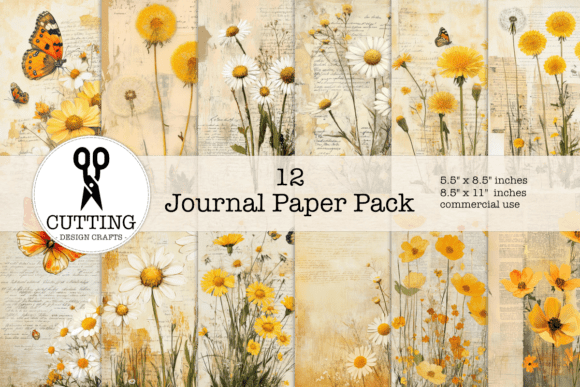
The visual personality of this series is one of delicate elegance and romantic realism. You’ll find vibrant yellow daisies that seem to glow against a weathered, cream-toned background. White chamomile blooms offer a soft contrast, while the intricate, starburst form of a dandelion seed head is rendered with scientific precision. What truly brings these compositions to life are the subtle details: the flutter of a butterfly’s wing, the graceful arc of a stem, and the handwritten script that annotates each piece, lending an authentic, archival feel. The golden color palette isn’t just yellow; it’s the color of sunlight through a meadow, of old parchment, of tranquility itself. This isn’t just botanical art; it’s a design asset that carries a story.
Practical Applications: Where This Artistry Truly Shines
Understanding a design asset’s soul is one thing; knowing how to deploy it effectively is where the real value lies. The strength of Vintage Botanical Art Yellow Wildflowers lies in its versatility across both personal and commercial projects, offering a bridge between the handmade and the professional.
For the Brand Builder and Entrepreneur
Consider this art for brand identity projects that aim for warmth, authenticity, and a connection to nature. It’s perfect for artisanal brands—a herbalist’s packaging, a boutique florist’s logo, a sustainable skincare line, or a farm-to-table café’s menu. The style communicates care, tradition, and quality without saying a word. Use a single, striking daisy as a logo design element or create a patterned background for social media graphics that feels organic and engaging. The inherent visual hierarchy of the illustrations, with their central blooms and supporting foliage, makes them excellent focal points for web design hero sections or email newsletter headers.
For the Publisher and Content Creator
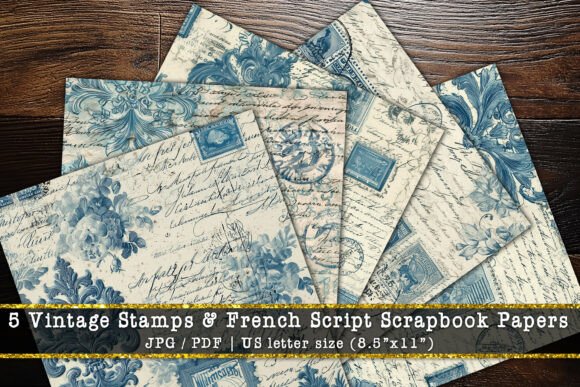
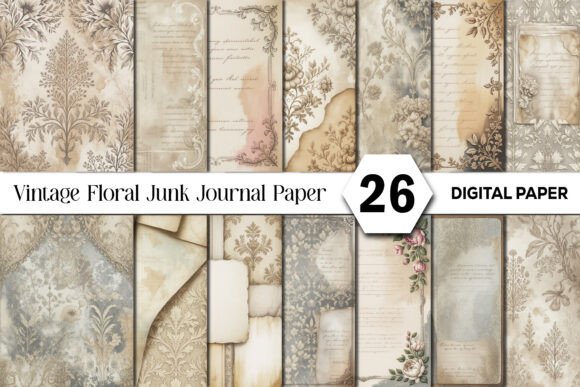
If you’re working in editorial design, these illustrations are a dream. They can elevate a magazine layout, serve as chapter openers in a book, or add substantial visual interest to a blog post about gardening, wellness, or slow living. The two included sizes (8.5x11" and 5.5x8.5") are immediately practical for creating printable journal pages, planner inserts, or wall art. For the crafter and hobbyist, this is the heart of the offering. These images are ideal for junk journals, collages, decoupage, and card making. The high-resolution (300 DPI) JPEGs ensure crisp prints, whether you’re using them digitally or physically.
The Digital and Print Advantage
The true power of a premium font or art collection is its consistency across media. The Vintage Botanical Art Yellow Wildflowers files are built for this. The 300 DPI resolution is non-negotiable for quality print projects, preventing any pixelation in your final product. For digital use, the clean backgrounds and distinct forms make these pieces adaptable. They can be easily isolated and placed over other textures or used as-is for a fully immersive vintage effect in digital scrapbooks or website banners.
Making It Work: A Designer’s Guide to Integration
Having a beautiful asset is only half the battle. Integrating it thoughtfully is what separates a cohesive design from a collage of nice things.
Evaluate the Fit: This style pairs best with projects that have a narrative or artisanal quality. It might feel out of place in a ultra-modern, minimalist tech startup’s branding but would be sublime for a poetry collection, a wedding invitation suite, or a niche food blog. Always ask: does this art’s personality align with my project’s core message?
Master the Font Pairing: The handwritten script within the illustrations is a key stylistic element. To avoid visual competition, pair these artworks with clean, complementary typefaces. A simple sans serif font for body text can provide excellent readability and modern contrast. For headings, a refined serif font can echo the classic feel, or a clean script font can be used sparingly to harmonize with the existing annotations. The goal is consistency in mood, not an exact match.
Consider Commercial Licensing: For entrepreneurs and designers, this is a critical checkpoint. Always review the licensing terms provided. Ensure the usage rights cover your intended application, whether it’s for a client’s commercial product, print-on-demand merchandise, or digital templates for sale. Understanding the license protects your project and respects the creator’s work.
Ultimately, Vintage Botanical Art Yellow Wildflowers offers more than pretty pictures. It provides a cohesive aesthetic toolkit rooted in the timeless appeal of nature documentation. It’s a resource for adding depth, warmth, and a touch of handcrafted history to your work, helping you create projects that feel both personal and professionally polished. It’s a quiet conversation between the past and present, waiting to be part of your next creative endeavor.