The Allure of Purple Watercolor Background: A Designer's Guide
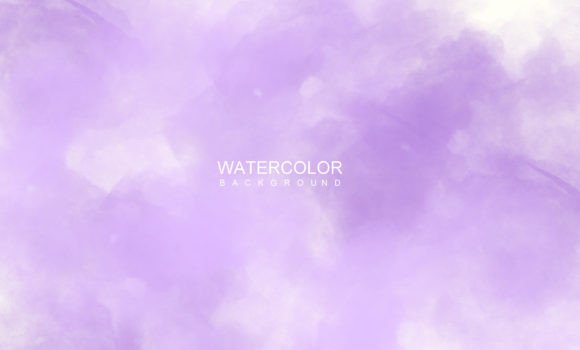
There's a certain magic in watercolor—the way pigment bleeds and blooms, creating soft edges and unpredictable gradients that feel both organic and artistic. When this technique is rendered in shades of purple, it captures a unique blend of creativity, mystery, and calm. A Purple Watercolor Background isn't just a static image; it's a versatile design asset that brings a handcrafted, emotional quality to digital and print projects. Whether you're designing a social media graphic, planning a wedding invitation, or building a brand identity, understanding how to leverage this aesthetic can elevate your work from ordinary to captivating.
Visual Personality and Appeal
A Purple Watercolor Background is characterized by its fluid, soft textures and layered washes of color. The palette can range from deep, regal plums and violet tones to gentle lavender and lilac hues, often blending seamlessly within the same composition. This creates a sense of depth and movement that flat colors simply can't replicate. The style feels artistic and intentional, suggesting creativity and sophistication without being overly rigid. It’s a background that doesn’t just sit behind your content—it interacts with it, providing a dynamic canvas that adds personality and warmth. This makes it particularly effective for projects aiming to convey elegance, imagination, or a touch of whimsy.
Where This Background Truly Shines
The applications for a purple watercolor texture are surprisingly broad, extending far beyond personal art projects. In logo design and brand identity, it can serve as a distinctive backdrop for wordmarks or monograms, especially for brands in the creative, wellness, or boutique sectors. For packaging design, it adds a luxurious, artisanal feel to product labels, gift paper patterns, and shopping bags. In the digital realm, it’s perfect for web design hero sections, blog post featured images, and social media graphics where stopping the scroll is key. Presenters can use it to create compelling presentation backgrounds that maintain audience engagement without overwhelming the slide content. Even in editorial design, such as magazine layouts or book covers, it can set a specific mood or chapter theme effectively.
Pairing with Typography for Maximum Impact
The real power of a Purple Watercolor Background is unlocked when paired thoughtfully with typography. Because the background is rich and textured, the foreground type needs to command attention while remaining readable. A clean, bold sans serif font often works beautifully, creating a striking contrast against the organic watercolor shapes. For a more elegant or classic look, a serif font with moderate weight can complement the artistic feel. Avoid overly delicate or complex script fonts for body text, as they may get lost in the texture. Instead, use a handwritten font or display font sparingly for headlines to echo the handcrafted quality. Always test your font pairing by placing your chosen typeface directly onto the background at various sizes to check for legibility and visual harmony.
Practical Considerations for Your Project
When you download a Purple Watercolor Background pack, you’re typically investing in a set of design assets that include multiple file formats for flexibility. A professional kit will provide PSD files for Photoshop users who want to adjust layers, JPGs for straightforward use in most applications, and PNGs with transparent backgrounds for seamless integration into designs. This versatility is crucial for modern typography and design workflows. Before applying it, consider the project’s context. Is it for a commercial brand? Ensure the licensing allows for commercial use. Will it be printed? Check the resolution. For digital use, optimize the file size without sacrificing the beautiful texture. A premium font or background is an investment in quality, so taking the time to evaluate its fit for your specific audience and medium is a step that pays off in professionalism and impact.
Building Cohesion Across Your Designs
Consistency is a cornerstone of strong brand identity and editorial design. Using a Purple Watercolor Background as a recurring element can tie together disparate pieces of content, from website banners to email newsletters to printed brochures. The key is to use it consistently—perhaps always as a full background for certain sections, or as a subtle accent strip. This repetition builds recognition and reinforces the aesthetic you’ve chosen. Furthermore, the background can influence the overall mood of your project. Lighter purples often feel calming and imaginative, suitable for wellness or creative coaching brands. Deeper tones convey luxury and depth, ideal for high-end product launches or formal event materials. By aligning the specific watercolor style with your project’s goals, you create a cohesive and emotionally resonant experience for your audience.
Ultimately, a Purple Watercolor Background is more than just a decorative element; it’s a versatile tool for storytelling in design. Its ability to blend artistic flair with practical application makes it a valuable asset for designers, marketers, and creators alike. By thoughtfully integrating it into your work—considering typography, context, and consistency—you can harness its unique appeal to create projects that are not only visually stunning but also strategically effective.